

The Garage
Learn how to increase the longevity and reliability of your Diesel Truck
Best Selling Universal Products
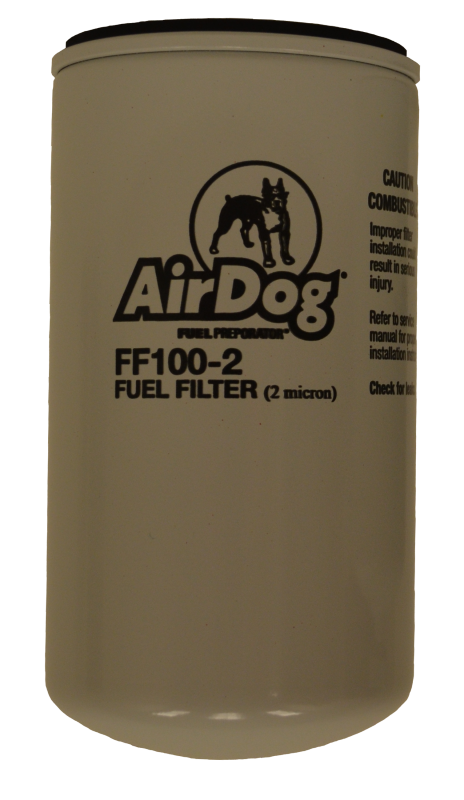
AirDog FF100-2 2" Micron Replacement Fuel Filter | Universal

Air Dog
AirDog FF100-2 2" Micron Replacement Fuel Filter | Universal
SKU:
PFTFF100-2
- Price
- $31
FASS FP3000 Fuel Systems Filter Pack | Universal


Fass Fuel systems
FASS FP3000 Fuel Systems Filter Pack | Universal
SKU:
FASFP3000
- Price
- $108.26
Hella 003399801 Supertone Horn Kit | Universal


Hella
Hella 003399801 Supertone Horn Kit | Universal
SKU:
HLA003399801
- Price
- $61.40
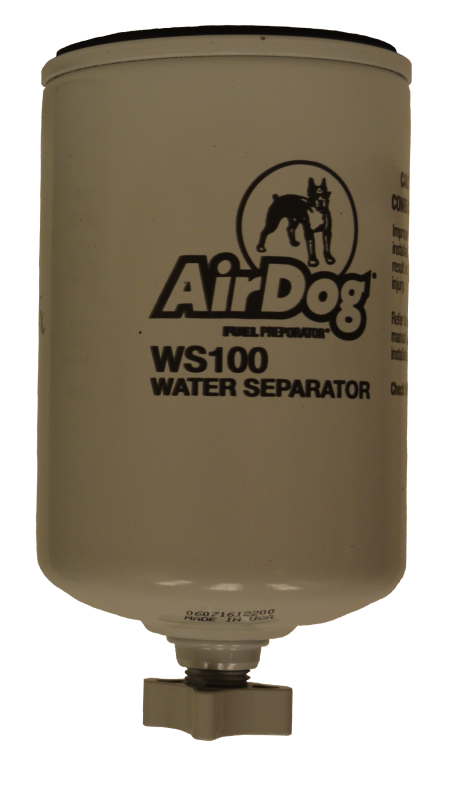
AirDog WS100 Water Separator | Universal
IN STOCK
Air Dog
AirDog WS100 Water Separator | Universal
SKU:
PFTWS100
- Price
- $35
All Universal Vehicle Care Products
KC HiLiTES 91414 26-inch Gravity Titan LED Light Bar (4-Light) | Universal

IN STOCK

KC HiLiTES
KC HiLiTES 91414 26-inch Gravity Titan LED Light Bar (4-Light) | Universal
SKU:
KCL91414
- Price
- $1,799.99
KC HiLiTES 91413 20-inch Gravity Titan LED Light (3-Light) | Universal

IN STOCK

KC HiLiTES
KC HiLiTES 91413 20-inch Gravity Titan LED Light (3-Light) | Universal
SKU:
KCL91413
- Price
- $1,599.99
KC HiLiTES 91406 Gravity Titan LED Light Bar Add-On (40W Spot Beam) | Universal

IN STOCK

KC HiLiTES
KC HiLiTES 91406 Gravity Titan LED Light Bar Add-On (40W Spot Beam) | Universal
SKU:
KCL91406
- Price
- $300
KC HiLiTES 91405 Titan LED Light Pod Pairs 6" 2-Pack (SAE Driving Beam) | Universal


KC HiLiTES
KC HiLiTES 91405 Titan LED Light Pod Pairs 6" 2-Pack (SAE Driving Beam) | Universal
SKU:
KCL91405
- Price
- $899.99
KC HiLiTES 91404 Titan LED Single Light (SAE Driving Beam) | Universal


KC HiLiTES
KC HiLiTES 91404 Titan LED Single Light (SAE Driving Beam) | Universal
SKU:
KCL91404
- Price
- $499.99
KC HiLiTES 91403 Titan LED Light Pod Pair (Wide-40) | Universal

IN STOCK

KC HiLiTES
KC HiLiTES 91403 Titan LED Light Pod Pair (Wide-40) | Universal
SKU:
KCL91403
- Price
- $899.99
KC HiLiTES 91402 Titan LED Single Light (Wide-40) | Universal

IN STOCK

KC HiLiTES
KC HiLiTES 91402 Titan LED Single Light (Wide-40) | Universal
SKU:
KCL91402
- Price
- $499.99
KC HiLiTES 91401 Titan LED Light Pod Pair (Spot Beam) | Universal


KC HiLiTES
KC HiLiTES 91401 Titan LED Light Pod Pair (Spot Beam) | Universal
SKU:
KCL91401
- Price
- $899.99
KC HiLiTES 91400 Titan LED Single Light (Spot Beam) | Universal

KC HiLiTES
KC HiLiTES 91400 Titan LED Single Light (Spot Beam) | Universal
SKU:
KCL91400
- Price
- $499.99
KC HiLiTES 91370 Gravity Titan/Pro6 LED V2 Light Bar Rear Light Replacement Ring | Universal


KC HiLiTES
KC HiLiTES 91370 Gravity Titan/Pro6 LED V2 Light Bar Rear Light Replacement Ring | Universal
SKU:
KCL91370
- Price
- $29
KC HiLiTES 53-00009-02 Gravity Titan/Pro6 LED V2 Light Bar End Mount (Passenger Side) | Universal


KC HiLiTES
KC HiLiTES 53-00009-02 Gravity Titan/Pro6 LED V2 Light Bar End Mount (Passenger Side) | Universal
SKU:
KCL53-00009-02
- Price
- $17.49
FREE SHIPPING ON ALL ORDERS OVER $70

PRICE MATCH GUARANTEE
BUILD NOW, PAY LATER
FINANCING OPTIONS
30-DAY RETURN
SATISFACTION GUARANTEE
DIESEL TRUCK EXPERTS STANDING BY


Maintenance Plan: 5,000 Miles
Regular maintenance for your diesel or gas truck is crucial to keep it running smoothly and ensuring long-term reliability. Among the most important tasks are changing the engine oil and replacing the oil filter, both of which should typically be performed every 5,000 miles. These routine services are critical to protect your engine from wear and tear, maintain optimal performance, and extend the life of your truck, ensuring it continues to operate efficiently for years to come.
Why Engine Oil Every 5k
The mighty Duramax 2500HD/3500HD LB7s are legendary trucks that are still capable and powerful trucks that get the job done both on and off-road
MBRP S6005PLM 4 inch Down-Pipe Back Aluminized Single Exit Exhaust Kit -No Muffler | 2001-2004 GM Silverado/Sierra 2500HD/3500HD 6.6L Duramax LB7


MBRP Exhaust
MBRP S6005PLM 4 inch Down-Pipe Back Aluminized Single Exit Exhaust Kit -No Muffler | 2001-2004 GM Silverado/Sierra 2500HD/3500HD 6.6L Duramax LB7
SKU:
MBRS6005PLM
- Price
- $469.99
Edge 84130-3 Products Insight CTS3 5 Touch Screen Digital Gauge Monitor | Universal


Edge Products
Edge 84130-3 Products Insight CTS3 5 Touch Screen Digital Gauge Monitor | Universal
SKU:
EDG84130-3
- Price
- $549.95
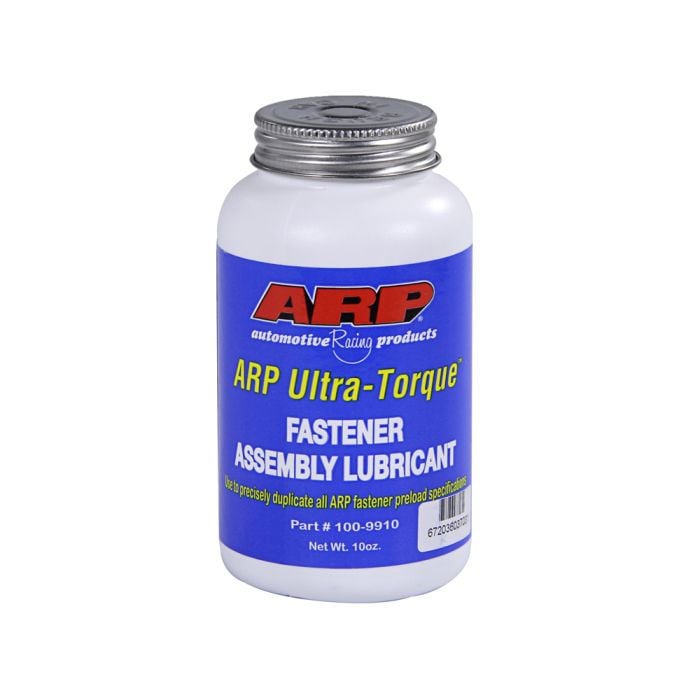
ARP 100-9910 Ultra-Torque Fastener Assembly Lube (10 oz) | Universal
ARP
ARP 100-9910 Ultra-Torque Fastener Assembly Lube (10 oz) | Universal
SKU:
ARP100-9910
- Price
- $18.13
PPE 116120010 High Flow Up-Pipe | 2001-2004 GM Silverado/Sierra 2500HD/3500HD 6.6L Duramax LB7


PPE
PPE 116120010 High Flow Up-Pipe | 2001-2004 GM Silverado/Sierra 2500HD/3500HD 6.6L Duramax LB7
SKU:
PPE116120010
- Price
- $170.99
PPE 114000555 MicroPure Extreme Performance Engine Oil Filter | 2001-2019 GM Silverado/Sierra 2500HD/3500HD 6.6L Duramax


PPE
PPE 114000555 MicroPure Extreme Performance Engine Oil Filter | 2001-2019 GM Silverado/Sierra 2500HD/3500HD 6.6L Duramax
SKU:
PPE114000555
- Price
- $35.99
MBRP S60210PLM 5 inch Armor Lite Downpipe-Back Exhaust | 2001-2004 GM Silverado/Sierra 2500HD/3500HD 6.6L Duramax LB7


MBRP Exhaust
MBRP S60210PLM 5 inch Armor Lite Downpipe-Back Exhaust | 2001-2004 GM Silverado/Sierra 2500HD/3500HD 6.6L Duramax LB7
SKU:
MBRS60210PLM
- Price
- $629.99
PPE 128059150 High Efficiency Spin-On Allison Transmission Fluid Filter | 2001-2019 GM Silverado/Sierra 2500HD/3500HD 6.6L Duramax


PPE
PPE 128059150 High Efficiency Spin-On Allison Transmission Fluid Filter | 2001-2019 GM Silverado/Sierra 2500HD/3500HD 6.6L Duramax
SKU:
PPE128059150
- Price
- $17.99
Why Oil Filters Every 5k
Your heavy-duty Duramax 2500HD/3500HD LBZ is made to handle anything you can throw at it,
Edge 84130-3 Products Insight CTS3 5 Touch Screen Digital Gauge Monitor | Universal
Edge Products
Edge 84130-3 Products Insight CTS3 5 Touch Screen Digital Gauge Monitor | Universal
SKU:
EDG84130-3
- Price
- $549.95
ARP 100-9910 Ultra-Torque Fastener Assembly Lube (10 oz) | Universal
ARP
ARP 100-9910 Ultra-Torque Fastener Assembly Lube (10 oz) | Universal
SKU:
ARP100-9910
- Price
- $18.13
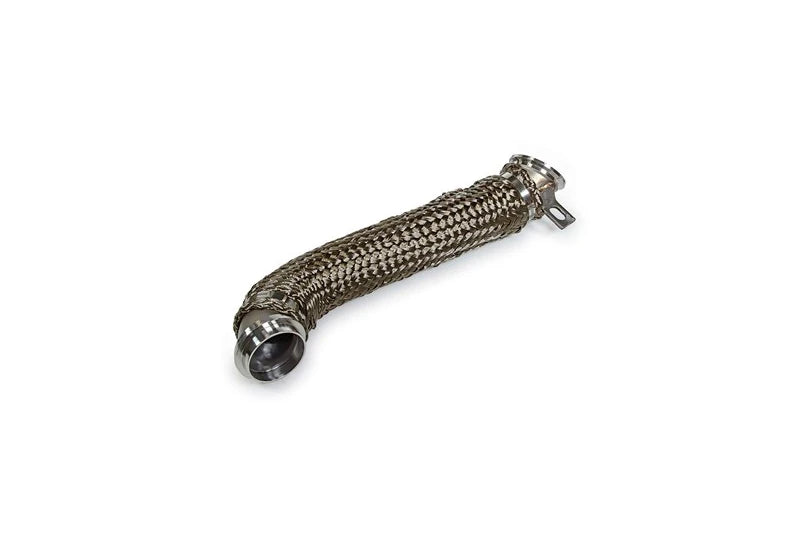
PPE 117000500 3 inch Stainless Steel Downpipe | 2004.5-2010 GM Silverado/Sierra 2500HD/3500HD 6.6L Duramax
IN STOCK
PPE
PPE 117000500 3 inch Stainless Steel Downpipe | 2004.5-2010 GM Silverado/Sierra 2500HD/3500HD 6.6L Duramax
SKU:
PPE117000500
- Price
- $134.99
Fleece FPE-TL-LBZ-LMM 5/8 Allison Transmission Cooler Lines | 2006-2010 GM Silverado/Sierra 2500HD/3500HD 6.6L Duramax


Fleece Performance Products
Fleece FPE-TL-LBZ-LMM 5/8 Allison Transmission Cooler Lines | 2006-2010 GM Silverado/Sierra 2500HD/3500HD 6.6L Duramax
SKU:
FLCFPE-TL-LBZ-LMM
- Price
- $289.99
Garrett Turbos 848212-5001S Stock Replacement Turbocharger | 2004.5-2010 GM Silverado/Sierra 2500HD/3500HD 6.6L Duramax


Garrett Turbos
Garrett Turbos 848212-5001S Stock Replacement Turbocharger | 2004.5-2010 GM Silverado/Sierra 2500HD/3500HD 6.6L Duramax
SKU:
GTT848212-5001S
- Price
- $1,531.61
PPE 128059150 High Efficiency Spin-On Allison Transmission Fluid Filter | 2001-2019 GM Silverado/Sierra 2500HD/3500HD 6.6L Duramax
PPE
PPE 128059150 High Efficiency Spin-On Allison Transmission Fluid Filter | 2001-2019 GM Silverado/Sierra 2500HD/3500HD 6.6L Duramax
SKU:
PPE128059150
- Price
- $17.99
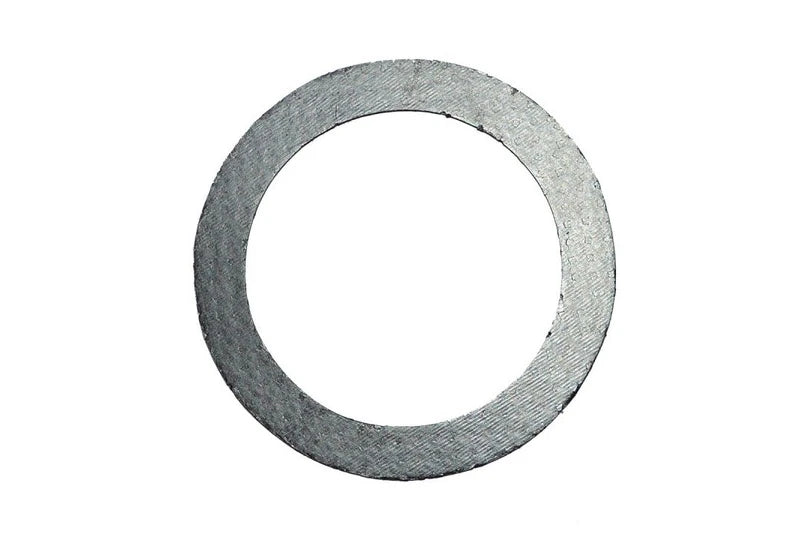
PPE 117000360 Gasket for Lower Downpipe Flange | 2001-2014 GM Silverado/Sierra 2500HD/3500HD 6.6L Duramax
IN STOCK
PPE
PPE 117000360 Gasket for Lower Downpipe Flange | 2001-2014 GM Silverado/Sierra 2500HD/3500HD 6.6L Duramax
SKU:
PPE117000360
- Price
- $6.29
Maintenance Plan: 15,000 - 100,000 miles
While every diesel and gas truck typically has its own maintenance schedule as outlined by the manufacturer in the owner's manual, we've compiled a routine maintenance plan to keep your diesel or gas truck running its best. This guide covers essential items that need to be serviced at intervals ranging from 15,000 miles to 100,000 miles, helping you keep your vehicle in peak condition for the long haul.
Why Brake Fluid Every 30k
Your heavy-duty Duramax 2500HD/3500HD LBZ is made to handle anything you can throw at it,
Edge 84130-3 Products Insight CTS3 5 Touch Screen Digital Gauge Monitor | Universal
Edge Products
Edge 84130-3 Products Insight CTS3 5 Touch Screen Digital Gauge Monitor | Universal
SKU:
EDG84130-3
- Price
- $549.95
ARP 100-9910 Ultra-Torque Fastener Assembly Lube (10 oz) | Universal
ARP
ARP 100-9910 Ultra-Torque Fastener Assembly Lube (10 oz) | Universal
SKU:
ARP100-9910
- Price
- $18.13
PPE 117000500 3 inch Stainless Steel Downpipe | 2004.5-2010 GM Silverado/Sierra 2500HD/3500HD 6.6L Duramax
IN STOCK
PPE
PPE 117000500 3 inch Stainless Steel Downpipe | 2004.5-2010 GM Silverado/Sierra 2500HD/3500HD 6.6L Duramax
SKU:
PPE117000500
- Price
- $134.99
Fleece FPE-TL-LBZ-LMM 5/8 Allison Transmission Cooler Lines | 2006-2010 GM Silverado/Sierra 2500HD/3500HD 6.6L Duramax
Fleece Performance Products
Fleece FPE-TL-LBZ-LMM 5/8 Allison Transmission Cooler Lines | 2006-2010 GM Silverado/Sierra 2500HD/3500HD 6.6L Duramax
SKU:
FLCFPE-TL-LBZ-LMM
- Price
- $289.99
Garrett Turbos 848212-5001S Stock Replacement Turbocharger | 2004.5-2010 GM Silverado/Sierra 2500HD/3500HD 6.6L Duramax
Garrett Turbos
Garrett Turbos 848212-5001S Stock Replacement Turbocharger | 2004.5-2010 GM Silverado/Sierra 2500HD/3500HD 6.6L Duramax
SKU:
GTT848212-5001S
- Price
- $1,531.61
PPE 128059150 High Efficiency Spin-On Allison Transmission Fluid Filter | 2001-2019 GM Silverado/Sierra 2500HD/3500HD 6.6L Duramax
PPE
PPE 128059150 High Efficiency Spin-On Allison Transmission Fluid Filter | 2001-2019 GM Silverado/Sierra 2500HD/3500HD 6.6L Duramax
SKU:
PPE128059150
- Price
- $17.99
PPE 117000360 Gasket for Lower Downpipe Flange | 2001-2014 GM Silverado/Sierra 2500HD/3500HD 6.6L Duramax
IN STOCK
PPE
PPE 117000360 Gasket for Lower Downpipe Flange | 2001-2014 GM Silverado/Sierra 2500HD/3500HD 6.6L Duramax
SKU:
PPE117000360
- Price
- $6.29
Why Engine Air Filters Every 30k
Your heavy-duty Duramax 2500HD/3500HD LBZ is made to handle anything you can throw at it,
Edge 84130-3 Products Insight CTS3 5 Touch Screen Digital Gauge Monitor | Universal
Edge Products
Edge 84130-3 Products Insight CTS3 5 Touch Screen Digital Gauge Monitor | Universal
SKU:
EDG84130-3
- Price
- $549.95
ARP 100-9910 Ultra-Torque Fastener Assembly Lube (10 oz) | Universal
ARP
ARP 100-9910 Ultra-Torque Fastener Assembly Lube (10 oz) | Universal
SKU:
ARP100-9910
- Price
- $18.13
PPE 117000500 3 inch Stainless Steel Downpipe | 2004.5-2010 GM Silverado/Sierra 2500HD/3500HD 6.6L Duramax
IN STOCK
PPE
PPE 117000500 3 inch Stainless Steel Downpipe | 2004.5-2010 GM Silverado/Sierra 2500HD/3500HD 6.6L Duramax
SKU:
PPE117000500
- Price
- $134.99
Fleece FPE-TL-LBZ-LMM 5/8 Allison Transmission Cooler Lines | 2006-2010 GM Silverado/Sierra 2500HD/3500HD 6.6L Duramax
Fleece Performance Products
Fleece FPE-TL-LBZ-LMM 5/8 Allison Transmission Cooler Lines | 2006-2010 GM Silverado/Sierra 2500HD/3500HD 6.6L Duramax
SKU:
FLCFPE-TL-LBZ-LMM
- Price
- $289.99
Garrett Turbos 848212-5001S Stock Replacement Turbocharger | 2004.5-2010 GM Silverado/Sierra 2500HD/3500HD 6.6L Duramax
Garrett Turbos
Garrett Turbos 848212-5001S Stock Replacement Turbocharger | 2004.5-2010 GM Silverado/Sierra 2500HD/3500HD 6.6L Duramax
SKU:
GTT848212-5001S
- Price
- $1,531.61
PPE 128059150 High Efficiency Spin-On Allison Transmission Fluid Filter | 2001-2019 GM Silverado/Sierra 2500HD/3500HD 6.6L Duramax
PPE
PPE 128059150 High Efficiency Spin-On Allison Transmission Fluid Filter | 2001-2019 GM Silverado/Sierra 2500HD/3500HD 6.6L Duramax
SKU:
PPE128059150
- Price
- $17.99
PPE 117000360 Gasket for Lower Downpipe Flange | 2001-2014 GM Silverado/Sierra 2500HD/3500HD 6.6L Duramax
IN STOCK
PPE
PPE 117000360 Gasket for Lower Downpipe Flange | 2001-2014 GM Silverado/Sierra 2500HD/3500HD 6.6L Duramax
SKU:
PPE117000360
- Price
- $6.29
Why Spark Plugs Every 30k
Your heavy-duty Duramax 2500HD/3500HD LBZ is made to handle anything you can throw at it,
Edge 84130-3 Products Insight CTS3 5 Touch Screen Digital Gauge Monitor | Universal
Edge Products
Edge 84130-3 Products Insight CTS3 5 Touch Screen Digital Gauge Monitor | Universal
SKU:
EDG84130-3
- Price
- $549.95
ARP 100-9910 Ultra-Torque Fastener Assembly Lube (10 oz) | Universal
ARP
ARP 100-9910 Ultra-Torque Fastener Assembly Lube (10 oz) | Universal
SKU:
ARP100-9910
- Price
- $18.13
PPE 117000500 3 inch Stainless Steel Downpipe | 2004.5-2010 GM Silverado/Sierra 2500HD/3500HD 6.6L Duramax
IN STOCK
PPE
PPE 117000500 3 inch Stainless Steel Downpipe | 2004.5-2010 GM Silverado/Sierra 2500HD/3500HD 6.6L Duramax
SKU:
PPE117000500
- Price
- $134.99
Fleece FPE-TL-LBZ-LMM 5/8 Allison Transmission Cooler Lines | 2006-2010 GM Silverado/Sierra 2500HD/3500HD 6.6L Duramax
Fleece Performance Products
Fleece FPE-TL-LBZ-LMM 5/8 Allison Transmission Cooler Lines | 2006-2010 GM Silverado/Sierra 2500HD/3500HD 6.6L Duramax
SKU:
FLCFPE-TL-LBZ-LMM
- Price
- $289.99
Garrett Turbos 848212-5001S Stock Replacement Turbocharger | 2004.5-2010 GM Silverado/Sierra 2500HD/3500HD 6.6L Duramax
Garrett Turbos
Garrett Turbos 848212-5001S Stock Replacement Turbocharger | 2004.5-2010 GM Silverado/Sierra 2500HD/3500HD 6.6L Duramax
SKU:
GTT848212-5001S
- Price
- $1,531.61
PPE 128059150 High Efficiency Spin-On Allison Transmission Fluid Filter | 2001-2019 GM Silverado/Sierra 2500HD/3500HD 6.6L Duramax
PPE
PPE 128059150 High Efficiency Spin-On Allison Transmission Fluid Filter | 2001-2019 GM Silverado/Sierra 2500HD/3500HD 6.6L Duramax
SKU:
PPE128059150
- Price
- $17.99
PPE 117000360 Gasket for Lower Downpipe Flange | 2001-2014 GM Silverado/Sierra 2500HD/3500HD 6.6L Duramax
IN STOCK
PPE
PPE 117000360 Gasket for Lower Downpipe Flange | 2001-2014 GM Silverado/Sierra 2500HD/3500HD 6.6L Duramax
SKU:
PPE117000360
- Price
- $6.29
Why Transmission Fluid Every 30k
Your heavy-duty Duramax 2500HD/3500HD LBZ is made to handle anything you can throw at it,
Edge 84130-3 Products Insight CTS3 5 Touch Screen Digital Gauge Monitor | Universal
Edge Products
Edge 84130-3 Products Insight CTS3 5 Touch Screen Digital Gauge Monitor | Universal
SKU:
EDG84130-3
- Price
- $549.95
ARP 100-9910 Ultra-Torque Fastener Assembly Lube (10 oz) | Universal
ARP
ARP 100-9910 Ultra-Torque Fastener Assembly Lube (10 oz) | Universal
SKU:
ARP100-9910
- Price
- $18.13
PPE 117000500 3 inch Stainless Steel Downpipe | 2004.5-2010 GM Silverado/Sierra 2500HD/3500HD 6.6L Duramax
IN STOCK
PPE
PPE 117000500 3 inch Stainless Steel Downpipe | 2004.5-2010 GM Silverado/Sierra 2500HD/3500HD 6.6L Duramax
SKU:
PPE117000500
- Price
- $134.99
Fleece FPE-TL-LBZ-LMM 5/8 Allison Transmission Cooler Lines | 2006-2010 GM Silverado/Sierra 2500HD/3500HD 6.6L Duramax
Fleece Performance Products
Fleece FPE-TL-LBZ-LMM 5/8 Allison Transmission Cooler Lines | 2006-2010 GM Silverado/Sierra 2500HD/3500HD 6.6L Duramax
SKU:
FLCFPE-TL-LBZ-LMM
- Price
- $289.99
Garrett Turbos 848212-5001S Stock Replacement Turbocharger | 2004.5-2010 GM Silverado/Sierra 2500HD/3500HD 6.6L Duramax
Garrett Turbos
Garrett Turbos 848212-5001S Stock Replacement Turbocharger | 2004.5-2010 GM Silverado/Sierra 2500HD/3500HD 6.6L Duramax
SKU:
GTT848212-5001S
- Price
- $1,531.61
PPE 128059150 High Efficiency Spin-On Allison Transmission Fluid Filter | 2001-2019 GM Silverado/Sierra 2500HD/3500HD 6.6L Duramax
PPE
PPE 128059150 High Efficiency Spin-On Allison Transmission Fluid Filter | 2001-2019 GM Silverado/Sierra 2500HD/3500HD 6.6L Duramax
SKU:
PPE128059150
- Price
- $17.99
PPE 117000360 Gasket for Lower Downpipe Flange | 2001-2014 GM Silverado/Sierra 2500HD/3500HD 6.6L Duramax
IN STOCK
PPE
PPE 117000360 Gasket for Lower Downpipe Flange | 2001-2014 GM Silverado/Sierra 2500HD/3500HD 6.6L Duramax
SKU:
PPE117000360
- Price
- $6.29
Why Engine Coolant Every 30k
Your heavy-duty Duramax 2500HD/3500HD LBZ is made to handle anything you can throw at it,
Edge 84130-3 Products Insight CTS3 5 Touch Screen Digital Gauge Monitor | Universal
Edge Products
Edge 84130-3 Products Insight CTS3 5 Touch Screen Digital Gauge Monitor | Universal
SKU:
EDG84130-3
- Price
- $549.95
ARP 100-9910 Ultra-Torque Fastener Assembly Lube (10 oz) | Universal
ARP
ARP 100-9910 Ultra-Torque Fastener Assembly Lube (10 oz) | Universal
SKU:
ARP100-9910
- Price
- $18.13
PPE 117000500 3 inch Stainless Steel Downpipe | 2004.5-2010 GM Silverado/Sierra 2500HD/3500HD 6.6L Duramax
IN STOCK
PPE
PPE 117000500 3 inch Stainless Steel Downpipe | 2004.5-2010 GM Silverado/Sierra 2500HD/3500HD 6.6L Duramax
SKU:
PPE117000500
- Price
- $134.99
Fleece FPE-TL-LBZ-LMM 5/8 Allison Transmission Cooler Lines | 2006-2010 GM Silverado/Sierra 2500HD/3500HD 6.6L Duramax
Fleece Performance Products
Fleece FPE-TL-LBZ-LMM 5/8 Allison Transmission Cooler Lines | 2006-2010 GM Silverado/Sierra 2500HD/3500HD 6.6L Duramax
SKU:
FLCFPE-TL-LBZ-LMM
- Price
- $289.99
Garrett Turbos 848212-5001S Stock Replacement Turbocharger | 2004.5-2010 GM Silverado/Sierra 2500HD/3500HD 6.6L Duramax
Garrett Turbos
Garrett Turbos 848212-5001S Stock Replacement Turbocharger | 2004.5-2010 GM Silverado/Sierra 2500HD/3500HD 6.6L Duramax
SKU:
GTT848212-5001S
- Price
- $1,531.61
PPE 128059150 High Efficiency Spin-On Allison Transmission Fluid Filter | 2001-2019 GM Silverado/Sierra 2500HD/3500HD 6.6L Duramax
PPE
PPE 128059150 High Efficiency Spin-On Allison Transmission Fluid Filter | 2001-2019 GM Silverado/Sierra 2500HD/3500HD 6.6L Duramax
SKU:
PPE128059150
- Price
- $17.99
PPE 117000360 Gasket for Lower Downpipe Flange | 2001-2014 GM Silverado/Sierra 2500HD/3500HD 6.6L Duramax
IN STOCK
PPE
PPE 117000360 Gasket for Lower Downpipe Flange | 2001-2014 GM Silverado/Sierra 2500HD/3500HD 6.6L Duramax
SKU:
PPE117000360
- Price
- $6.29
Why Cabin Filter Every 30k
Your heavy-duty Duramax 2500HD/3500HD LBZ is made to handle anything you can throw at it,
Edge 84130-3 Products Insight CTS3 5 Touch Screen Digital Gauge Monitor | Universal
Edge Products
Edge 84130-3 Products Insight CTS3 5 Touch Screen Digital Gauge Monitor | Universal
SKU:
EDG84130-3
- Price
- $549.95
ARP 100-9910 Ultra-Torque Fastener Assembly Lube (10 oz) | Universal
ARP
ARP 100-9910 Ultra-Torque Fastener Assembly Lube (10 oz) | Universal
SKU:
ARP100-9910
- Price
- $18.13
PPE 117000500 3 inch Stainless Steel Downpipe | 2004.5-2010 GM Silverado/Sierra 2500HD/3500HD 6.6L Duramax
IN STOCK
PPE
PPE 117000500 3 inch Stainless Steel Downpipe | 2004.5-2010 GM Silverado/Sierra 2500HD/3500HD 6.6L Duramax
SKU:
PPE117000500
- Price
- $134.99
Fleece FPE-TL-LBZ-LMM 5/8 Allison Transmission Cooler Lines | 2006-2010 GM Silverado/Sierra 2500HD/3500HD 6.6L Duramax
Fleece Performance Products
Fleece FPE-TL-LBZ-LMM 5/8 Allison Transmission Cooler Lines | 2006-2010 GM Silverado/Sierra 2500HD/3500HD 6.6L Duramax
SKU:
FLCFPE-TL-LBZ-LMM
- Price
- $289.99
Garrett Turbos 848212-5001S Stock Replacement Turbocharger | 2004.5-2010 GM Silverado/Sierra 2500HD/3500HD 6.6L Duramax
Garrett Turbos
Garrett Turbos 848212-5001S Stock Replacement Turbocharger | 2004.5-2010 GM Silverado/Sierra 2500HD/3500HD 6.6L Duramax
SKU:
GTT848212-5001S
- Price
- $1,531.61
PPE 128059150 High Efficiency Spin-On Allison Transmission Fluid Filter | 2001-2019 GM Silverado/Sierra 2500HD/3500HD 6.6L Duramax
PPE
PPE 128059150 High Efficiency Spin-On Allison Transmission Fluid Filter | 2001-2019 GM Silverado/Sierra 2500HD/3500HD 6.6L Duramax
SKU:
PPE128059150
- Price
- $17.99
PPE 117000360 Gasket for Lower Downpipe Flange | 2001-2014 GM Silverado/Sierra 2500HD/3500HD 6.6L Duramax
IN STOCK
PPE
PPE 117000360 Gasket for Lower Downpipe Flange | 2001-2014 GM Silverado/Sierra 2500HD/3500HD 6.6L Duramax
SKU:
PPE117000360
- Price
- $6.29


Keep Your Diesel Truck Running Strong
Regular maintenance is the key to keeping your diesel truck performing at its best, whether you’re driving a Cummins, Duramax, or Powerstroke-equipped truck. Understanding why these tasks are necessary—like changing filters, maintaining brake fluid, or inspecting your engine’s vital components—helps prevent costly repairs and extends the life of your truck. Whether you’re a DIY enthusiast or prefer the expertise of a professional, staying on top of these maintenance milestones ensures your truck runs efficiently and reliably for years to come. Dive into the FAQ section below to get more detailed answers on maintaining your truck’s overall performance.
FAQs About the Garage
How easy is it to perform general maintenance on my diesel truck?
Many routine maintenance tasks, such as changing the engine air filter or replacing the cabin air filter, can be done by DIYers with basic tools and some guidance from the truck’s manual. However, more complex tasks like changing transmission fluid or brake fluid may require specialized tools or knowledge of your truck’s specific components. If you’re comfortable under the hood, you can handle a lot of these tasks, but for jobs like coolant flushes or brake system maintenance, it’s often worth consulting a professional to avoid mistakes.
Can I install new glow plugs myself, or do I need a professional?
Installing glow plugs on a diesel engine can be more challenging than replacing traditional spark plugs in a gas engine. Depending on your truck model, accessing the glow plugs may involve removing parts of the intake system or other components. If you’re an experienced DIY mechanic, you can perform this task with the right tools. However, for those unfamiliar with working on diesel engines, it’s recommended to have a professional handle the installation to avoid damaging the engine.
Are aftermarket oil filters just as good as OEM filters?
In many cases, aftermarket oil filters can actually outperform OEM filters. Many high-quality aftermarket filters are designed to provide better filtration and durability over stock, especially for diesel trucks that partake in high-performance applications. At Alligator Performance, we only work with trusted and reliable aftermarket brands, so you can be confident that the oil filters you purchase from us meet or exceed all OEM standards. By choosing one of our premium filters, you’re ensuring your engine is well-protected and running at its best between oil changes.
Are diesel fuel additives beneficial?
Many diesel fuel additives can provide significant benefits and protection to your diesel fuel. A popular additive for cold winters is an anti-gel additive. These protect your fuel from cold temperatures that can cause gelling. Gelled fuel can clog fuel lines and filters, leaving your diesel unable to run. Anti-gel additives prevent this from occurring and ensure your diesel is ready to go even on the coldest days. While fuel additives are not necessarily a requirement for your diesel engine, they can truly provide protection and promote diesel engine reliability.
What tools do I need for DIY maintenance?
Having the right tool for the job ensures you can complete just about any service procedure for your diesel or gas truck. Common tools needed include wrenches, ratchets, sockets in both metric and SAE, screwdrivers, a torque wrench, an oil filter wrench, pliers, a good flashlight, a jack and high-quality jack stands. While many jobs require specialized tools and your toolbox will undoubtably continue to grow as you complete more DIY projects, having a strong foundation of tools ensures you can complete just about any job on your truck.
How can I stay safe while completing DIY projects?
Safety should always be a top priority when working on your diesel or gas truck. There are several pieces of equipment you should consider before working on your truck. These include safety glasses, leather gloves, safety toed shoes, hearing protection, a fire extinguisher and a first aid kit. While safety equipment needs vary from project to project, it's important to always have the equipment you need to be safe through any DIY project.
- Choosing a selection results in a full page refresh.

!